With the clock running down and the country facing its fourth election in two years, Kosova’s parliament did what it had failed to do for six months.
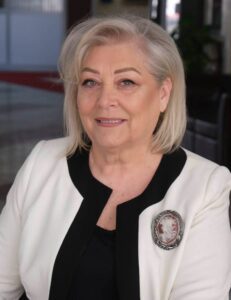
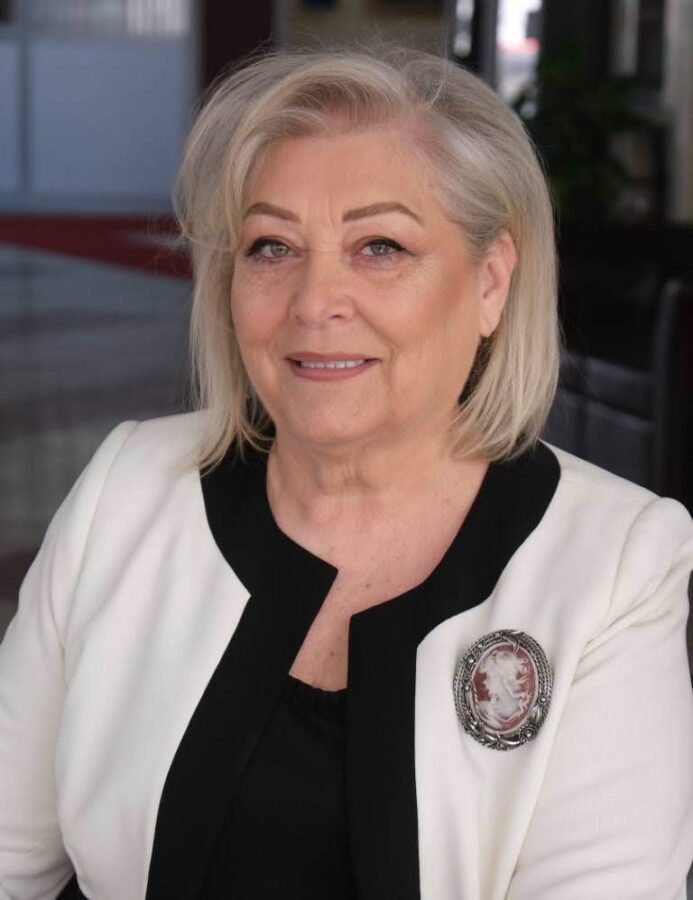
At 11:54pm on Tuesday, lawmakers in Prishtina began casting their secret ballots. Minutes later, Justina Shiroka Pula, an economist and former energy minister, was declared the new president with 81 votes, one more than she needed.
Her election ends a crisis that has paralysed Kosova’s institutions since April, when Vjosa Osmani’s term expired with no successor in place. But the deal that made it possible may have opened a new fight.
Hours before the vote, parliament approved sweeping changes to the law governing the Specialist Chambers, the Hague-based court that last month convicted former president Hashim Thaçi and three other former KLA commanders of war crimes. Thaçi and Jakup Krasniqi were sentenced to 25 years, Kadri Veseli to 18 and Rexhep Selimi to 13.
The opposition PDK had made the court law its price. Prime Minister Albin Kurti wanted the president elected first. For most of Tuesday, he and PDK leader Bedri Hamza traded offers not across a table but through press conferences, after Hamza refused to meet again until the amendments passed.
The breakthrough came with Kurti’s third proposal: the court vote first, and a candidate from Hamza’s own party’s past.
Shiroka Pula served as energy and mining minister from 2008 to 2011 and sat in parliament for the PDK until 2014. She was the first woman to lead the Kosova Academy of Sciences and Arts. The PDK put forward Eliza Hoxha as her formal rival.
“This mandate does not belong to one person alone,” she told lawmakers after taking the oath.
Outside, the mood had been far less ceremonial. On Monday, protesters demanding the court law threw bottles and fireworks at police, who responded with tear gas and water cannon. Six officers were injured. When the amendments passed on Tuesday with 88 votes, the crowd outside applauded.
The changes are dramatic. Sentences are capped at 15 years and must be served in Kosova. Those convicted become eligible for presidential pardons. The court’s mandate shrinks to the period between July 1999 and December 2000, limited to alleged organ-trafficking cases named in a 2011 Council of Europe report.
Legal experts warn that Kosova must honour its international commitments and that the law could face constitutional review. The timing itself may also be contested: the presidential vote did not finish until 12 minutes after midnight.