Russia and Japan are officially still at war. About 76 years after the end of the battles in World War II, peace talks between the two countries have failed.
The two sides never reached an agreement because Russia refused to hand over to Japan four islands occupied by the Soviet Union off the coast of Japan in 1945.
The Washington Post reported last week that thousands of people who were forced to flee their homes after the long occupation now want to return to the islands, but the situation has been further complicated by the occupation of Ukraine.
Russia has decided not to take part in further peace talks with Japan because the country has imposed sanctions on it. This is a classic example of the frozen conflicts that exist in many regions around the world after the end of active fighting.
Last week, rocket attacks continued in Ukraine, despite the Russians’ claim that now their combat strategy will return to the east of the country.
No one knows how this war will end and whether one side can win, but it seems the best chances are for a scenario in which the war in Ukraine turns into a frozen conflict.
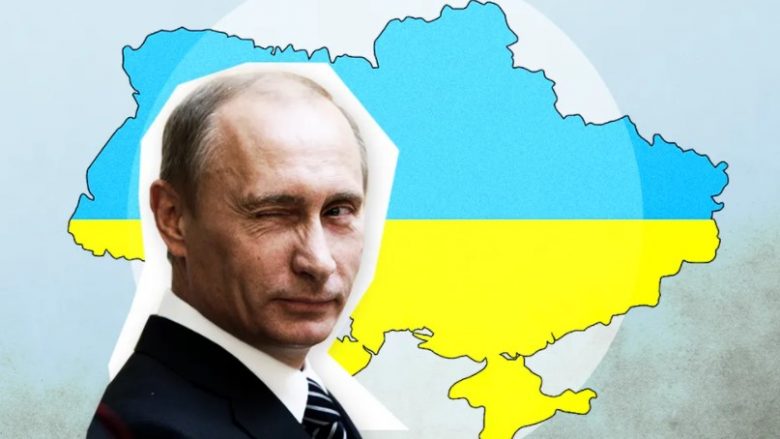
Ukraine’s military intelligence service suggested last week that Russian President Vladimir Putin wanted to divide western Ukraine and turn separatist parts in the east into a large division like the one between North and South Korea.
Anyone who has closely monitored Putin’s behavior knows best how much official Moscow can be trusted when it says it will drastically reduce military activity in Ukraine.
The Financial Times’ Edward Luce is of the opinion that the West will have to talk to the enemy at some point, and that this would mean reaching an agreement with Putin.
At present, neither party has an interest in a long-term agreement. Everyone seems to be waiting for a clearer picture of the future course of the war to crystallize.